A city where design meets humanity
In the Danish capital, everything seems to have been planned to be both useful and harmonious. From urban furniture to the bike path, from vegetation to facades, Copenhagen radiates coherence. Every detail, from the paving stones to the lighting, reflects a single philosophy: of a city on a human scale, where beauty and function naturally intertwine.
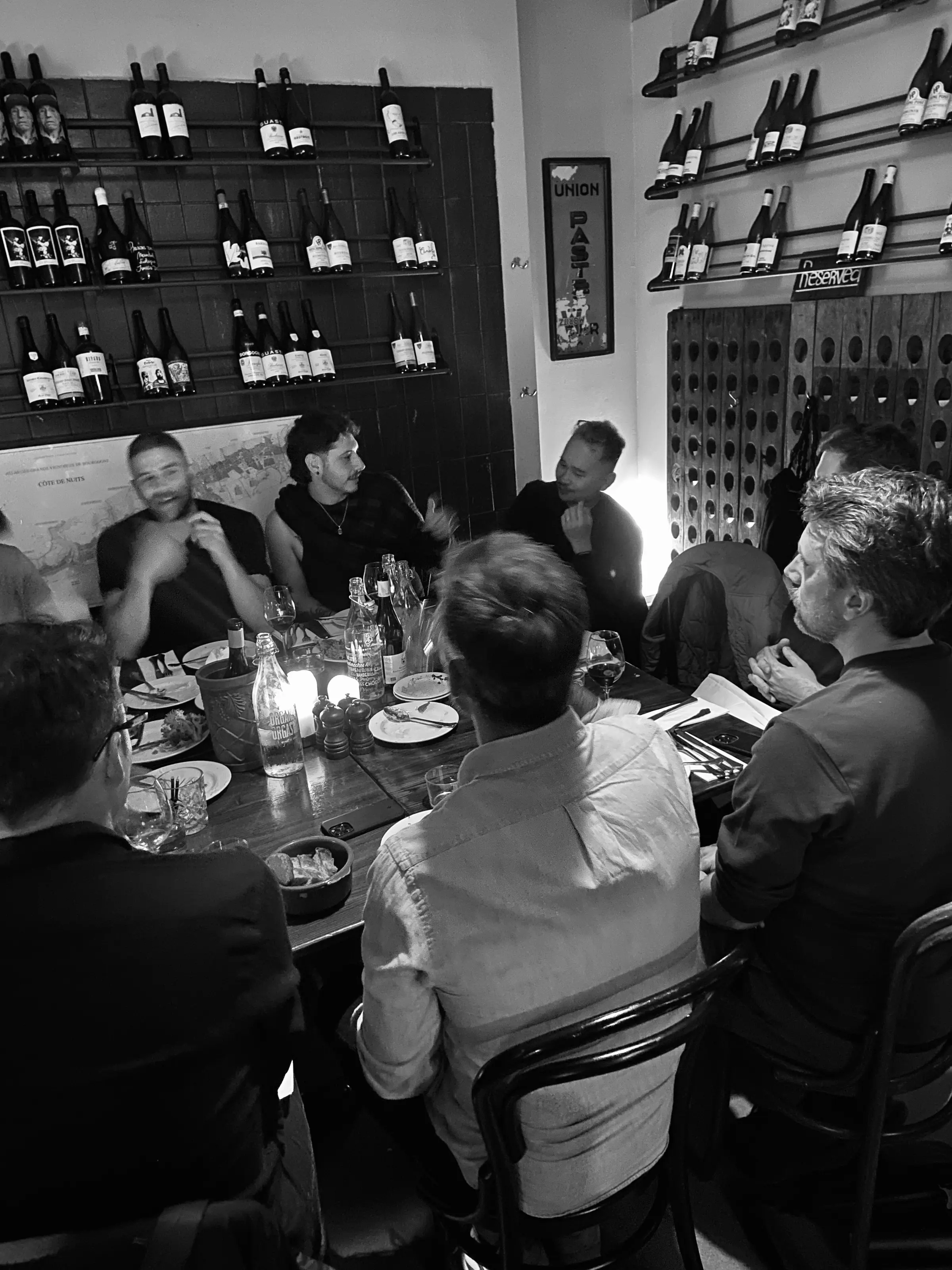
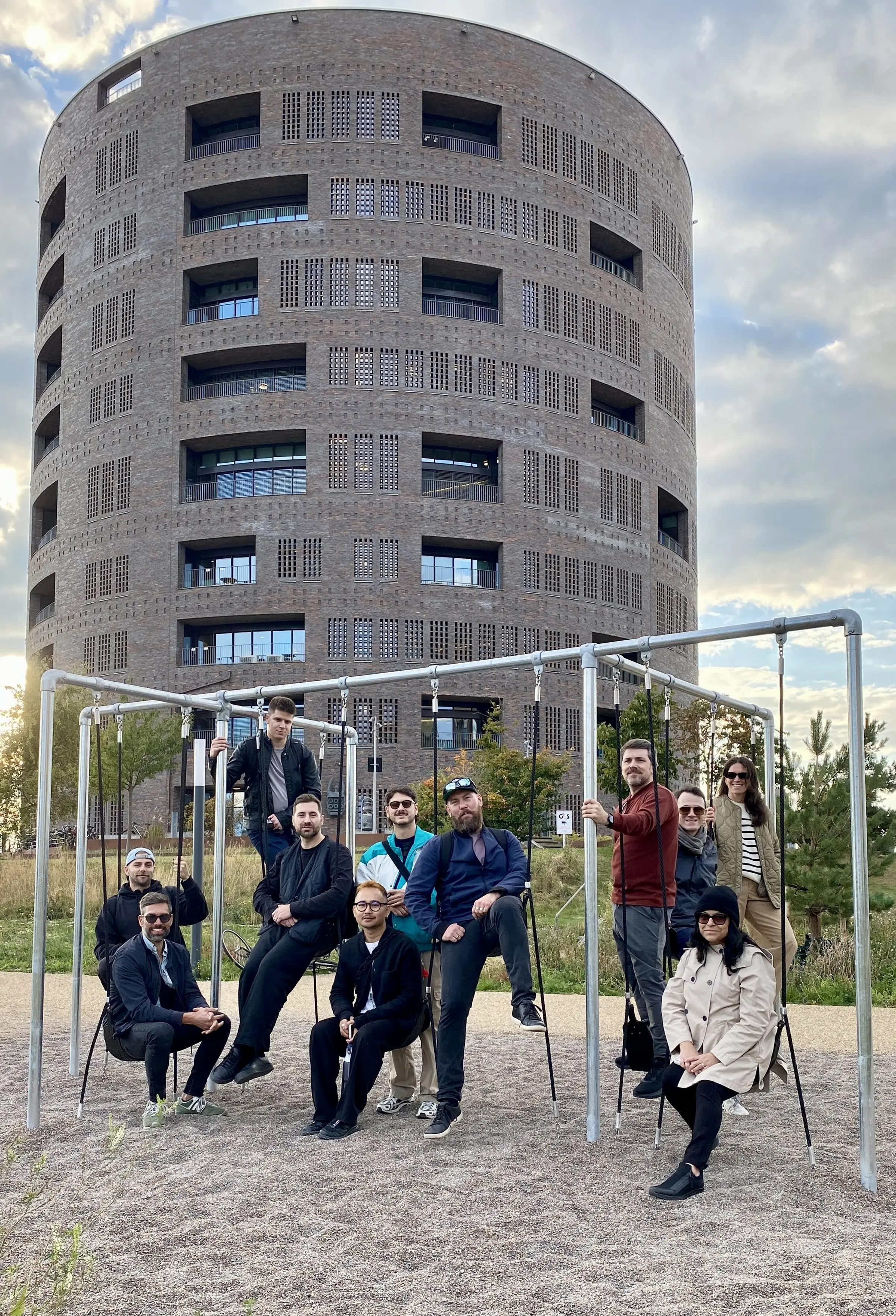
Wanting to experience this in person, our team travelled to one of Europe’s greenest capitals. Designed as an open-air training experience, this trip brought together 11 members of Projet Paysage around the desire to learn differently, through discovery and the poetry of everyday life.
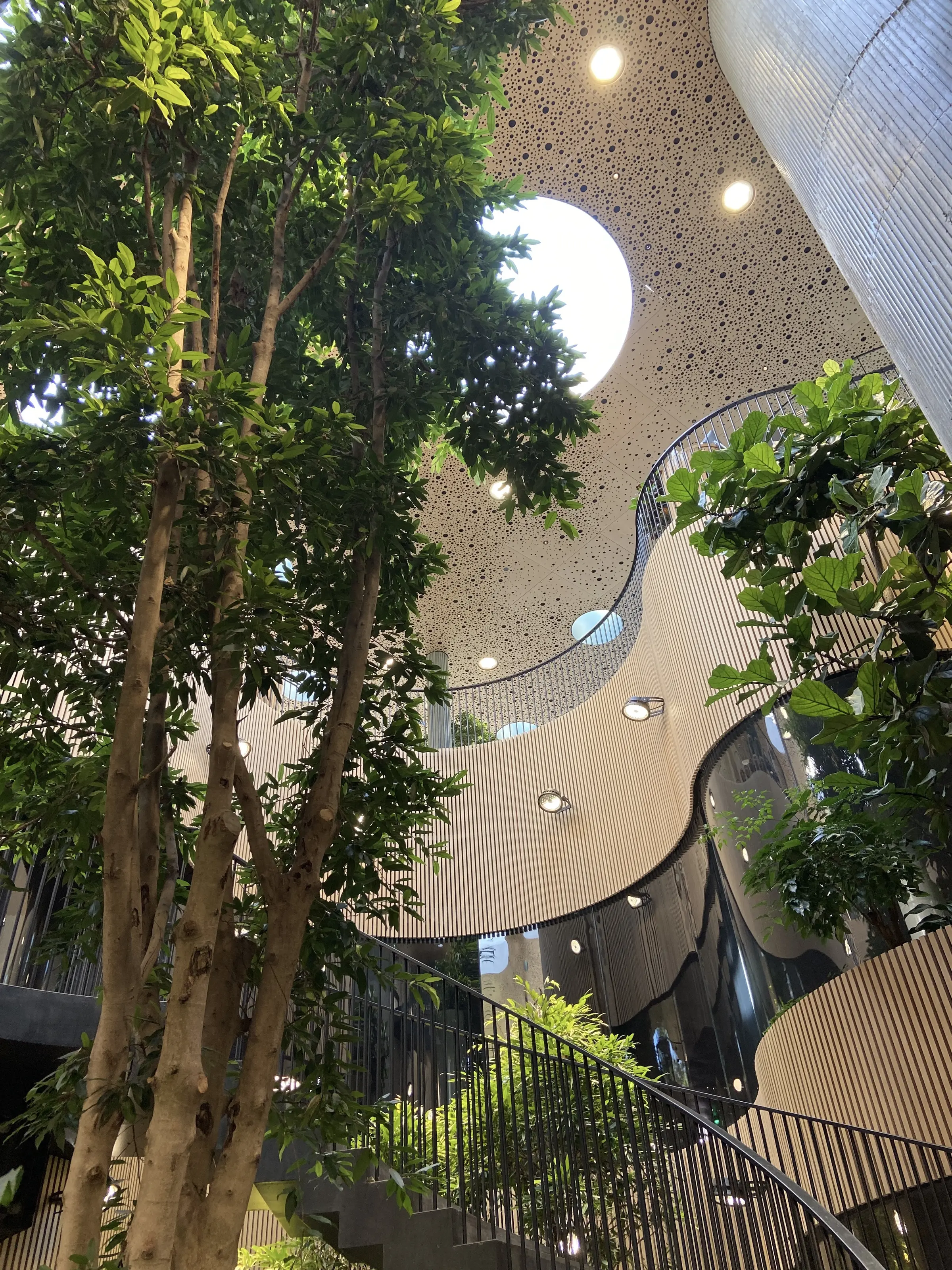
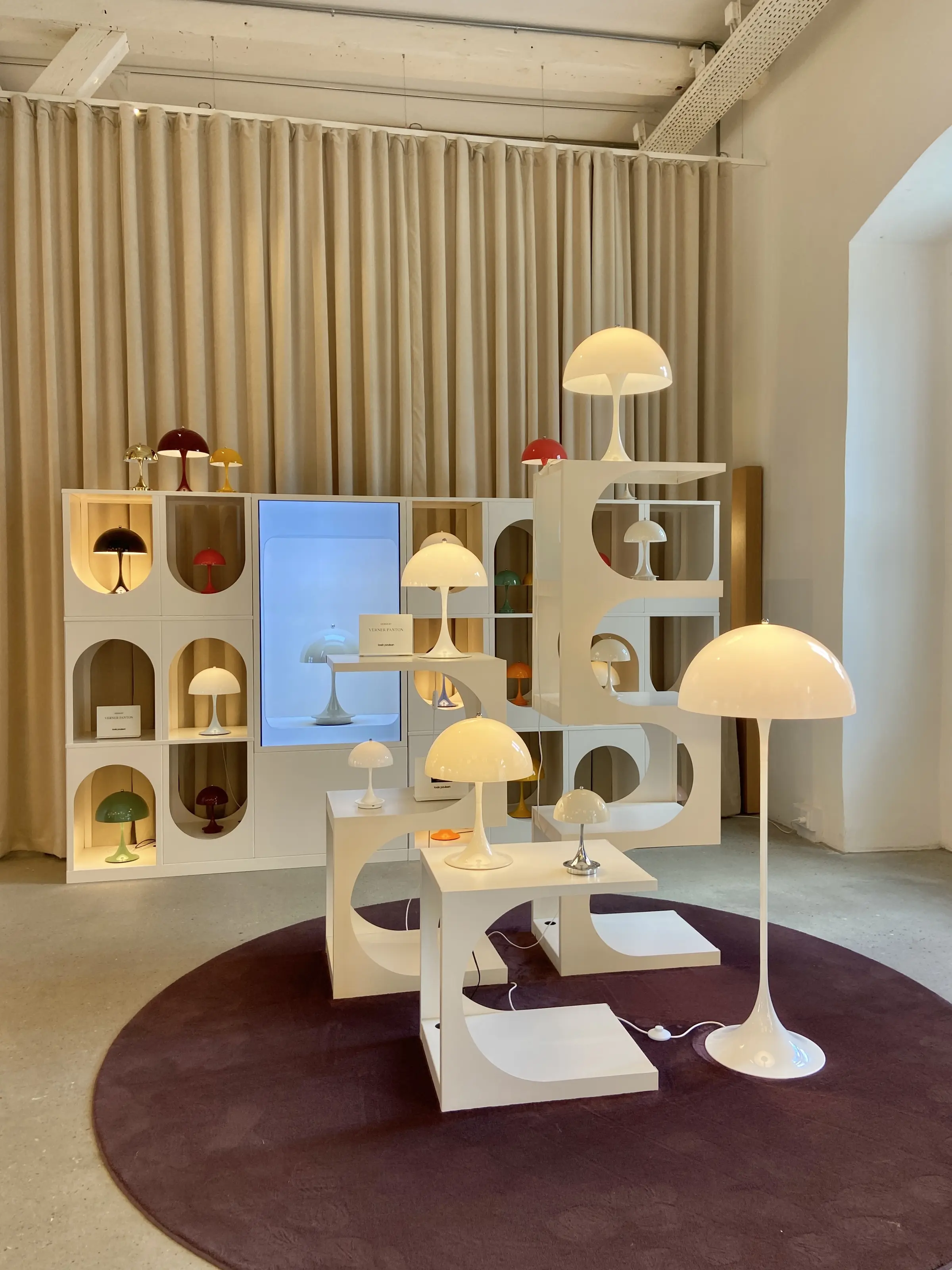
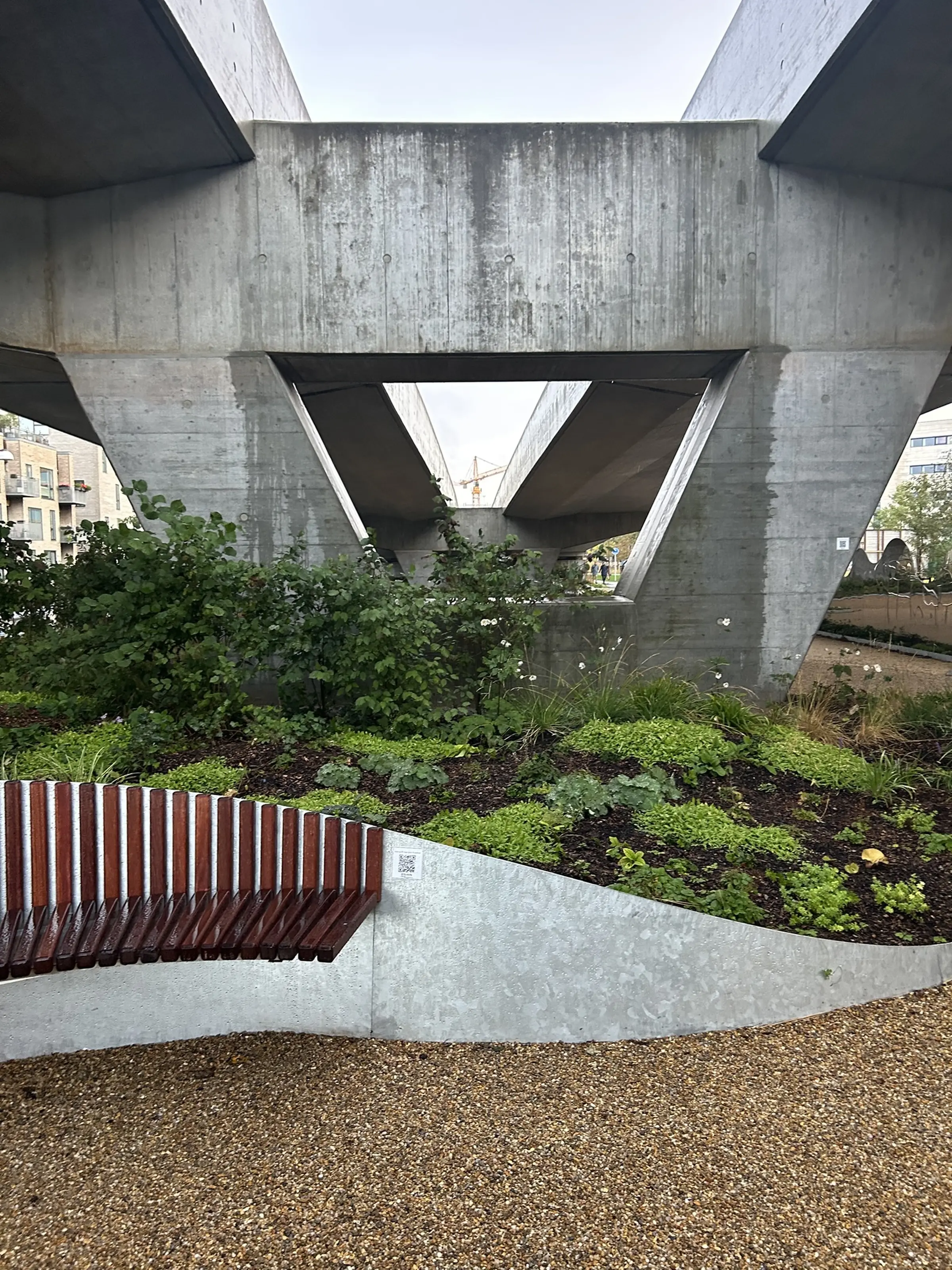
This trip reminds us of architect Pierre Thibault’s insight that beauty makes us happy. Places that do us good spark inspiration and show that creation can both elevate and serve. In Copenhagen, elegance is not a luxury — it’s a way of living.
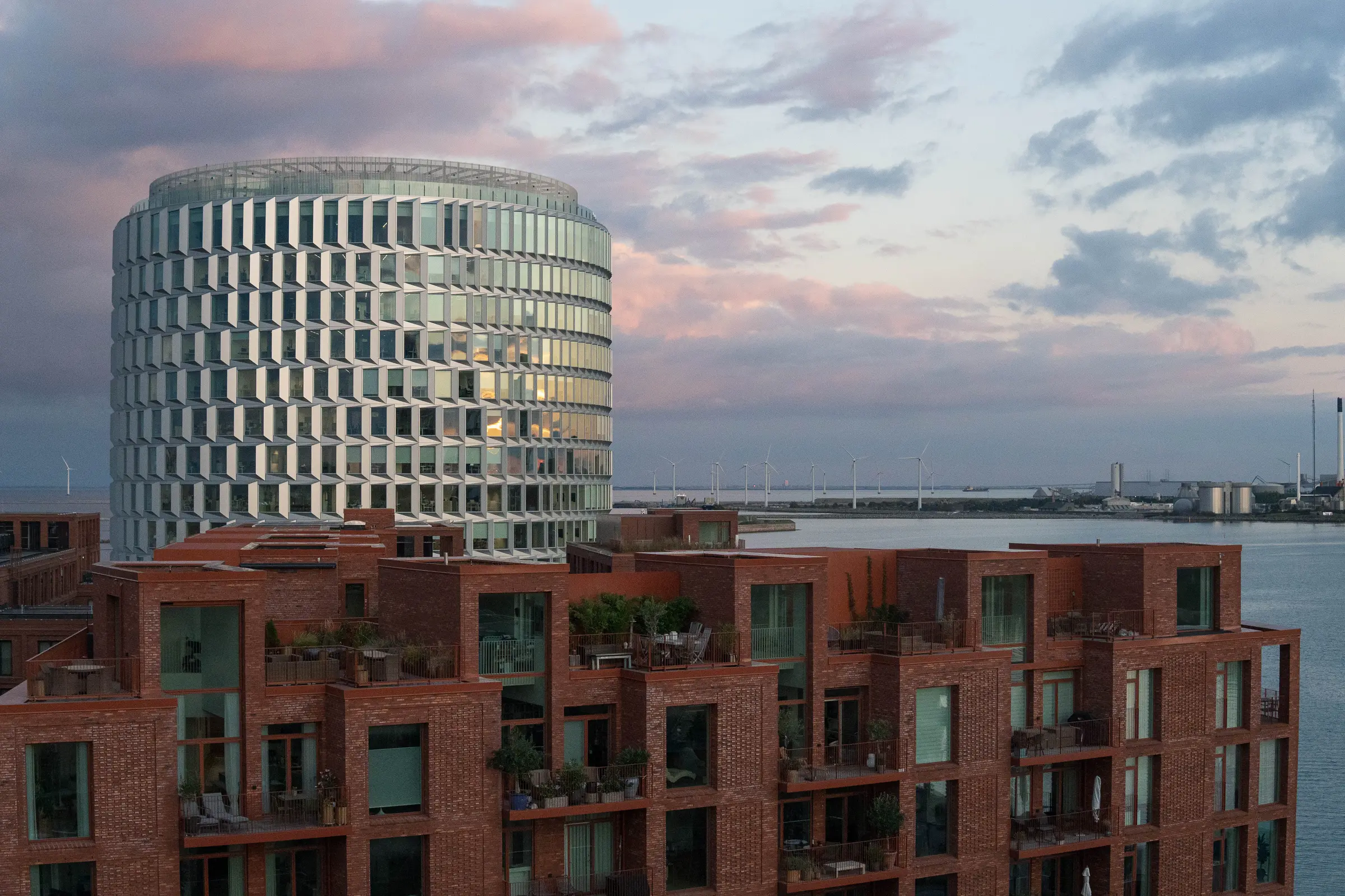
Stepping out of the metro at Nordhavn, a former port neighbourhood in the midst of transformation, we were struck by the clarity of its lines and the precision of its design. Facades, furniture, textures — everything felt deliberately planned, even if the spirit of the place is still taking shape. Today, this industrial sector is being reshaped by an ambitious five-year master plan from Cobe, aiming to create a “five-minute city” where everything is accessible on foot or by bike.
On the path to our hotel, contemporary architecture sits alongside the waterways, the accessible docks, and their saunas — hallmarks of a reinvented maritime territory.
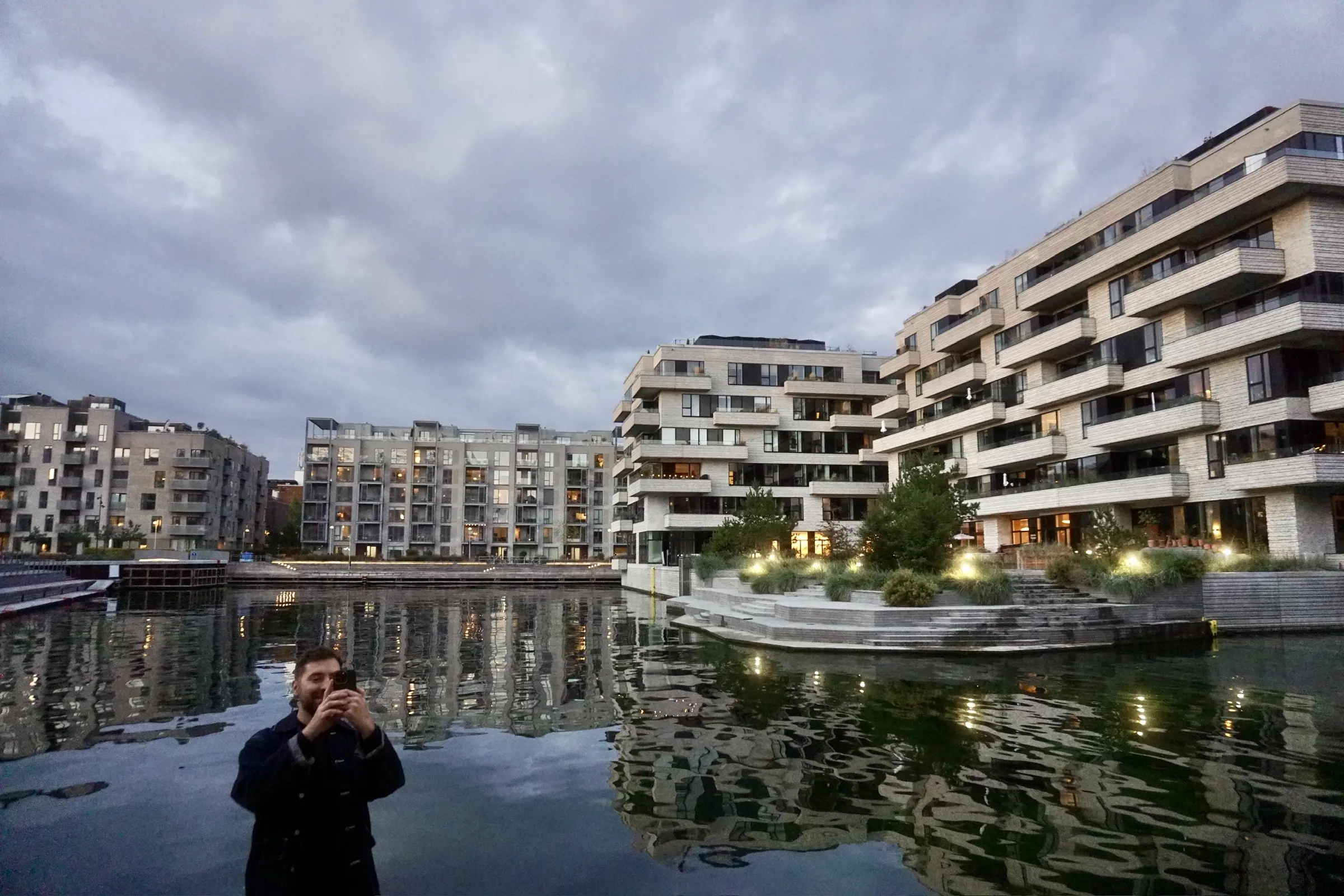
Gianna Cabanas, Design Director
“This sense of well-being, this feeling of belonging struck me immediately. In Copenhagen, everything exudes coherence.”
An aesthetic of well-being
Here, the aesthetics result from genuine attention to daily life. Even the most utilitarian infrastructure — parking lots, laneways, sidewalks — reflects an unusual finesse in execution.
In Copenhagen, life is embraced everywhere, treated as a true material of design. Omnipresent Corten steel interacts with spontaneous vegetation, creating an almost wild effect. Even the invisible details — irrigation, junctions — reveal a commitment to longevity.
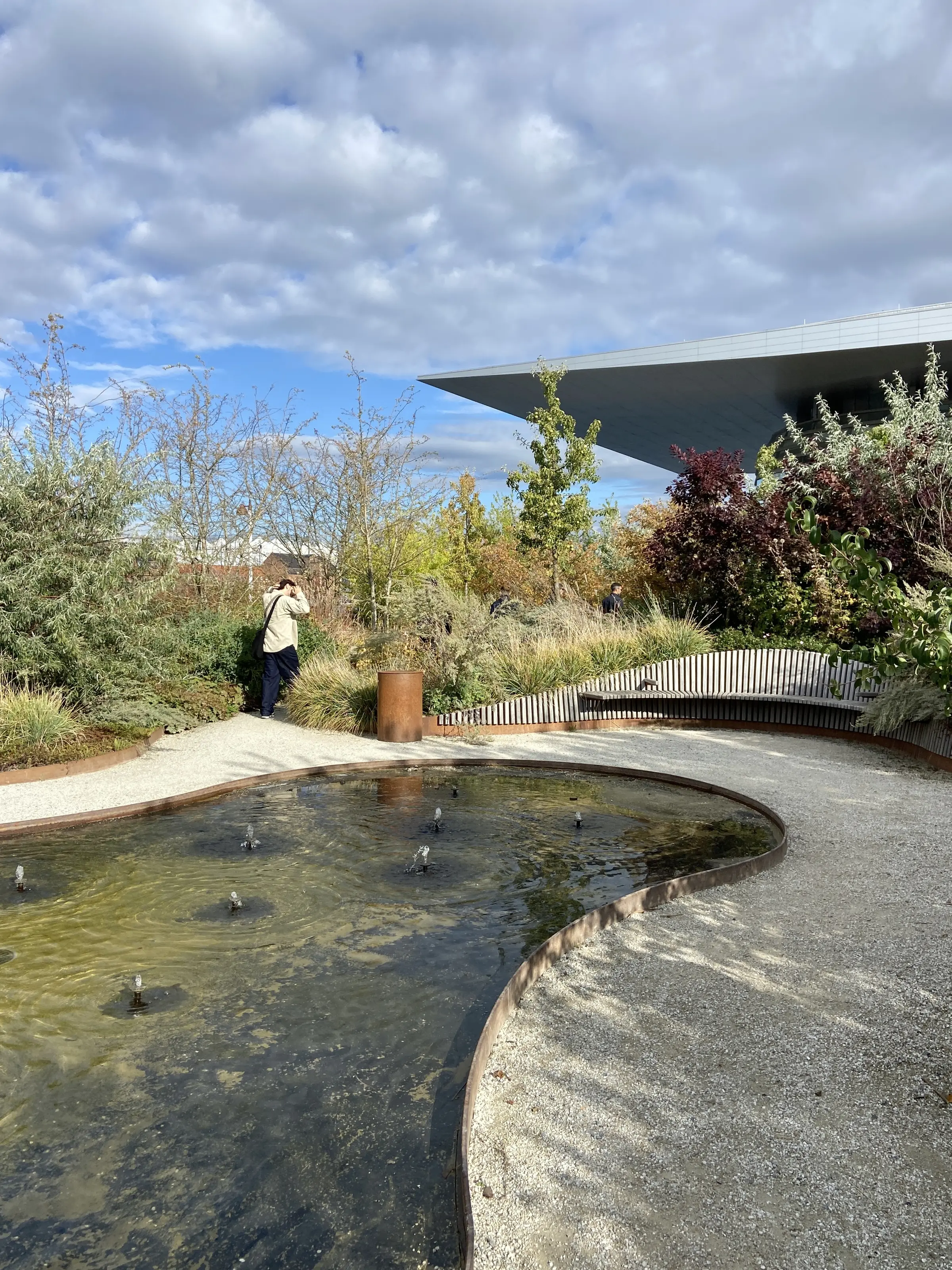
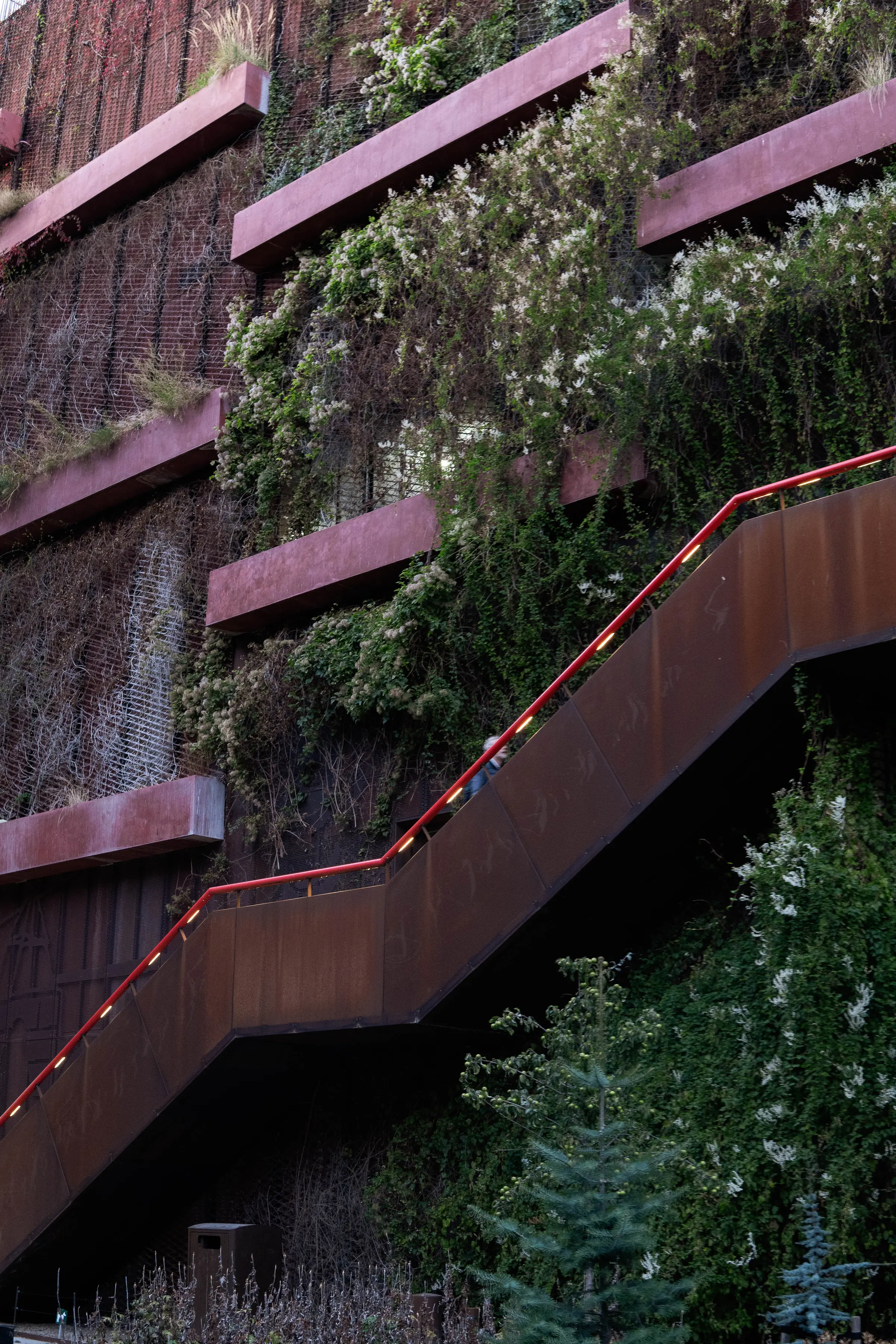
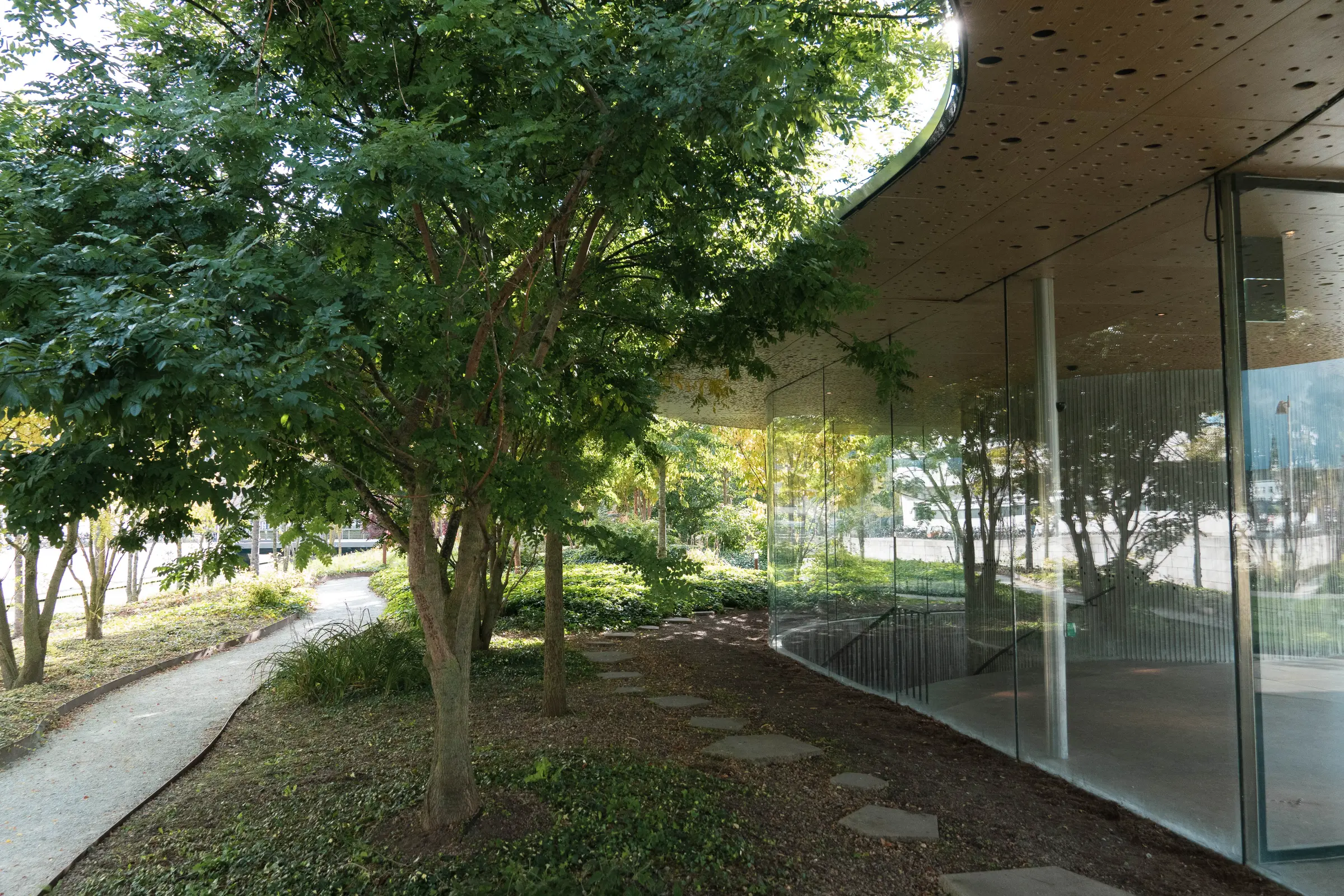
Opera Park, designed by Cobe, left a particularly strong impression due to its technical precision. Composed of six themed gardens — Nordic, Danish, English, Oriental, North American, and Subtropical — the project subtly blends architecture and landscape. The underground parking is flooded with natural light and greenery, while the glass-walled restaurant gives the impression of dining in the heart of the park.
This attention to detail perfectly captures the spirit of Scandinavian design: an aesthetic of simplicity, in service of collective well-being.
Serge Gallant, Principal
“Less complexity, but more sense.”
The culture of movement
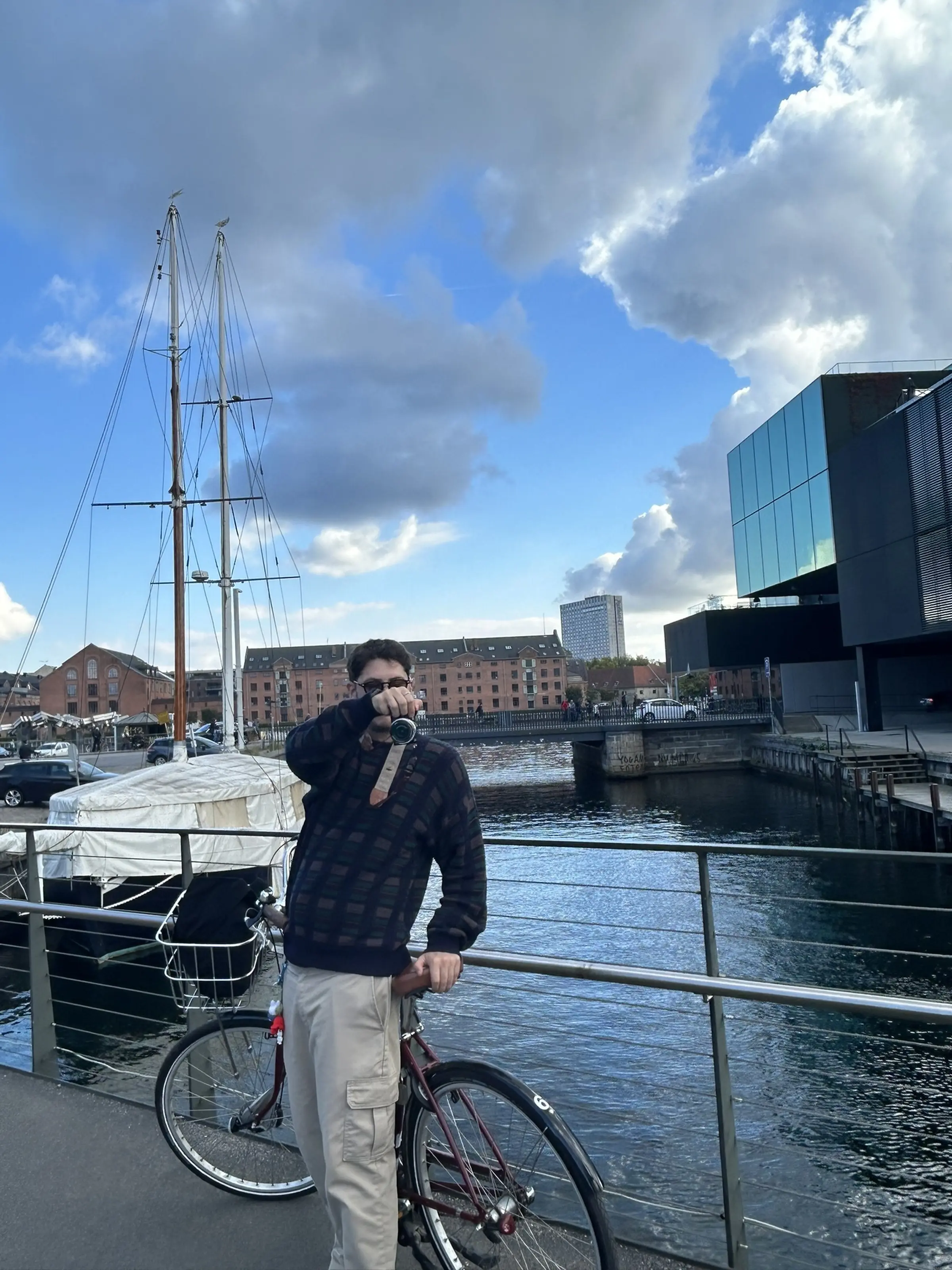
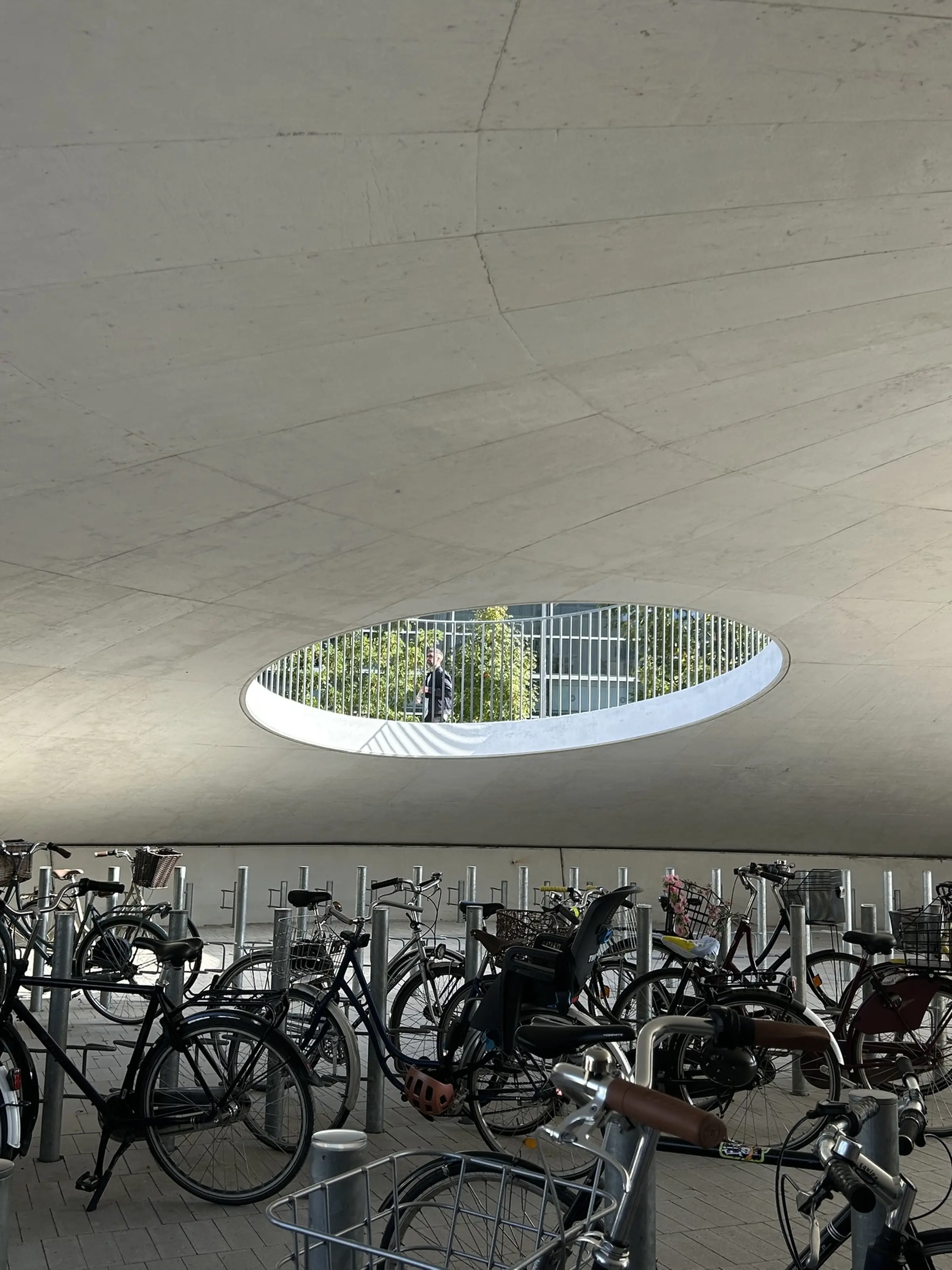
Getting around Copenhagen by bike is to join a finely tuned urban choreography. Bike paths intersect with remarkable precision, and parking for two-wheeled vehicles is plentiful, tucked into even the smallest corners.
Exploring the city this way, pedalling side by side, allowed our team to experience active mobility firsthand — not just as a concept, but as a way of inhabiting public space.
Serge Gallant, Principal
“The journey became as rich as the destination. A slow, human-centred and thoughtful way to explore the city — just like our work.”
Water as an urban matrix
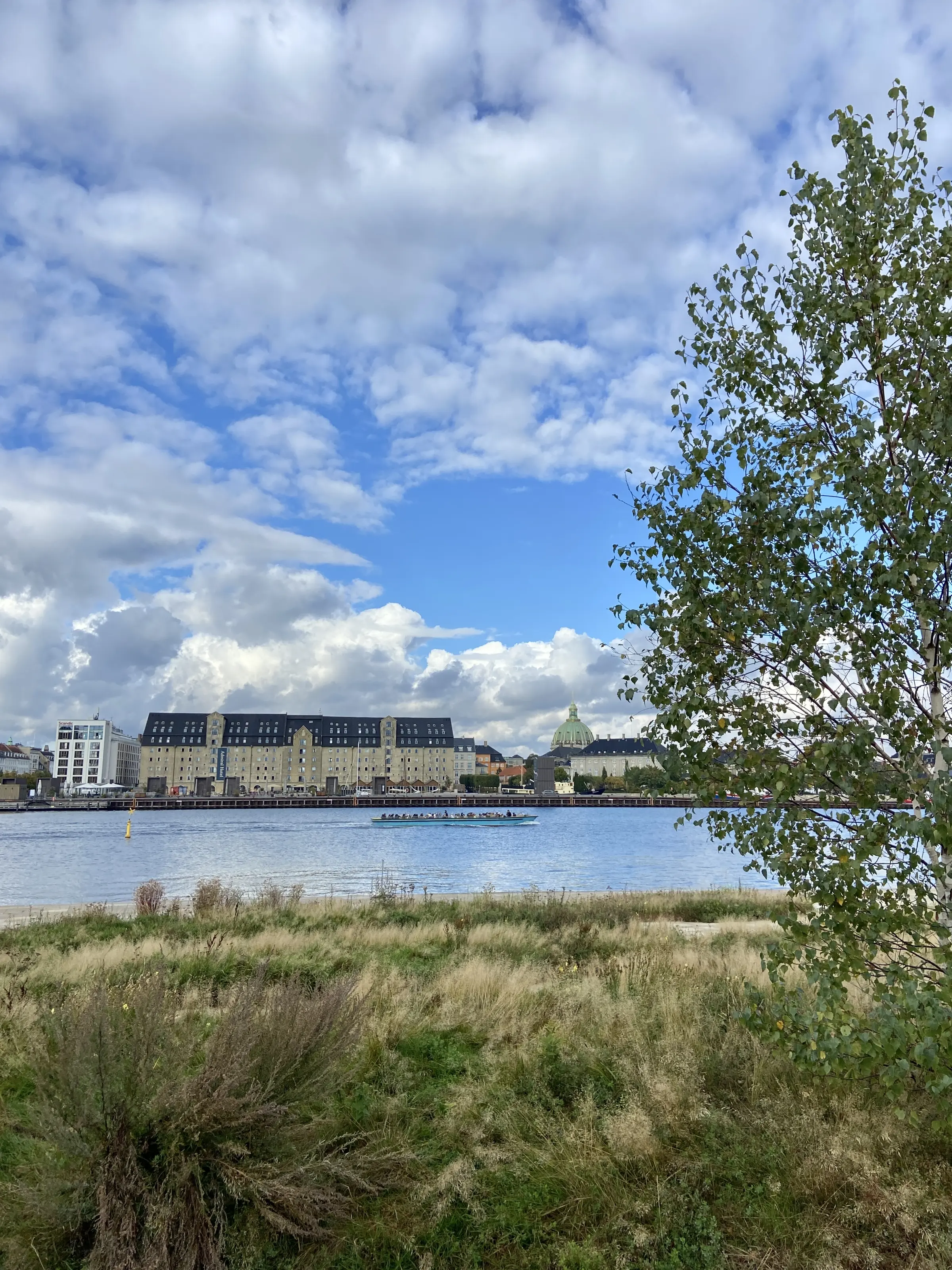
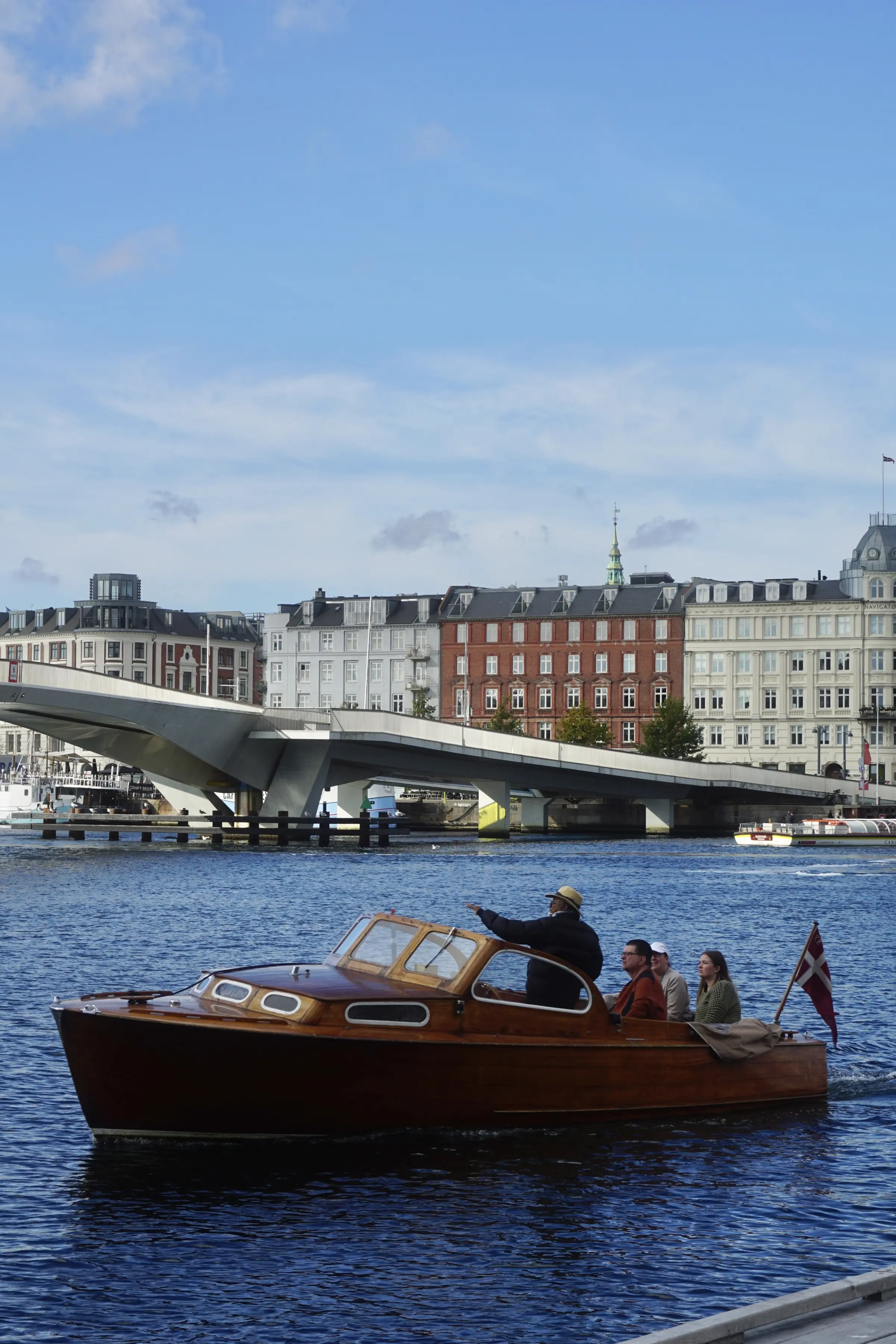
From this attentive relationship with living things emerges another obvious truth: in Copenhagen, water is everywhere. It flows through the city, shapes how spaces are used and redefines the way people inhabit the landscape. From the public saunas of Nordhavn to the swimming docks of Paper Island, the connection to water is embraced and celebrated.
Far from being mere decoration, water is an integral part of Danish environmental ingenuity. The network of basins and dry rivers demonstrates that a sustainable capital can also be beautiful. Even in the rain, the city is in motion: bicycles glide along, functional coats mingle with stylish silhouettes. Here, the climate doesn’t impose constraints — it shapes the rhythm and the lifestyle.
This approach invites reflection on our own climate: how can we celebrate our northern identity, transforming it into a creative resource rather than a limitation?
Focusing on what matters
The team came back from this experience with a renewed conviction: sustainability lies in simplicity, elegance and balance. The Danish capital shows that restrained design can transform daily life, that beauty can be functional and that urban coherence is built through countless small gestures.
This journey also strengthened our bonds, nurtured our connection and deepened our understanding of one another in those informal moments where ideas are born.
We returned home with one conviction: Montréal has everything it needs to develop its own distinct identity, in harmony with its northern character, its relationship with water and its pace of life.
Copenhagen is never ostentatious. It moves gently, patiently and precisely — like a landscape that reveals itself slowly, on its own terms.
Related articles
Listening to the landscape: Dialogue with SLA
Our quick guide to Copenhagen: Bold Nordic identity