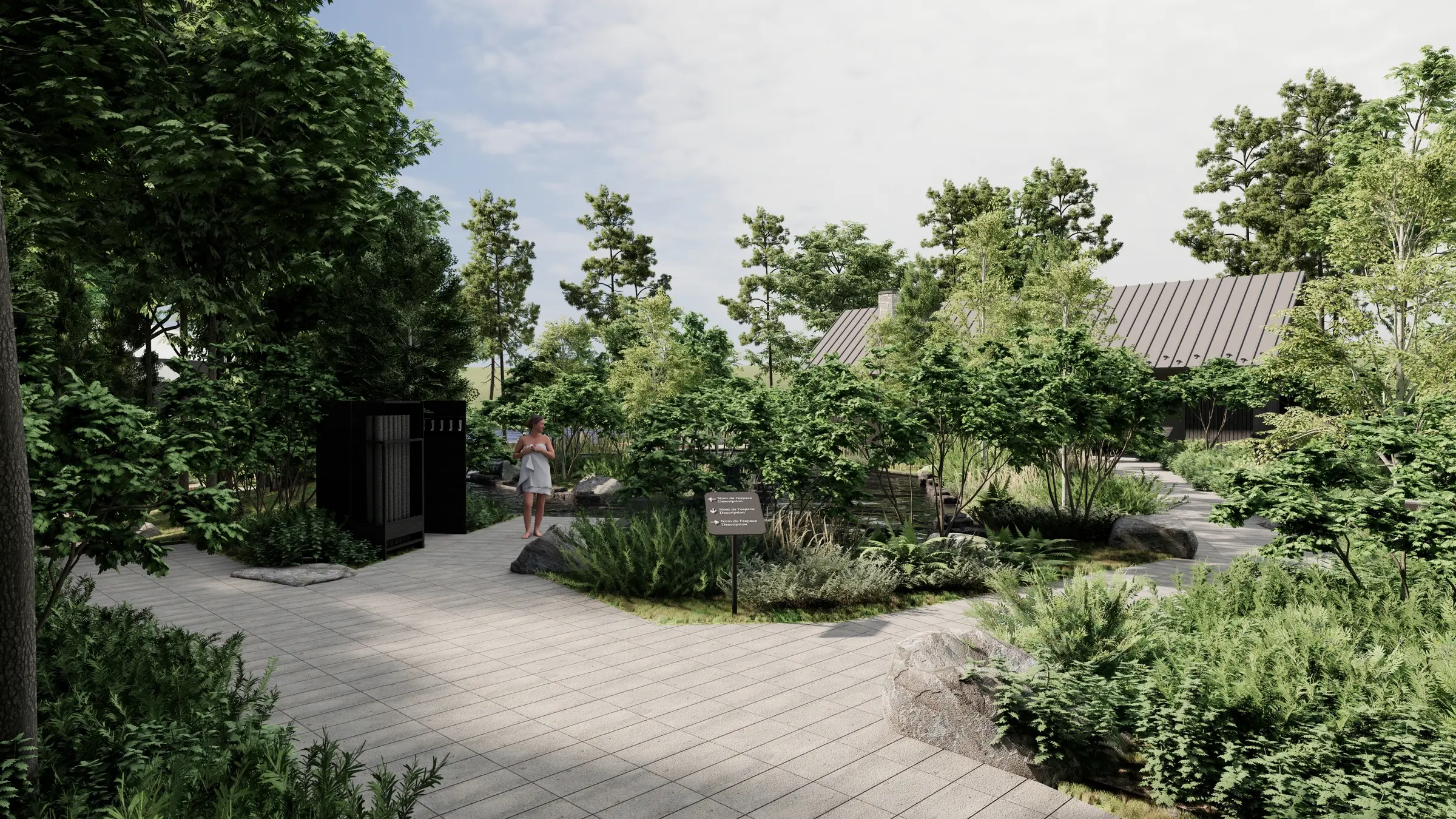
Landscape architecture is not merely decorative. It is a systemic discipline that shapes living environments at the intersection of ecology, infrastructure and use.
Looking ahead to 2026, this perspective is becoming essential: in increasingly complex and shifting contexts, landscape is conceived as an evolving system, on a human scale.
1. Artificial intelligence as a tool for anticipating landscape dynamics
We are seeing the rise of exploratory AI, used to understand landscape in all its complexity, rather than prescriptive AI. Its value lies not in making decisions for us, but in expanding what is possible.
Beyond analysis, artificial intelligence is becoming part of the creative process as a true design tool. It does not replace the designer; it extends their ability to investigate. It can project how a canopy will evolve, simulate stormwater management under different climate scenarios, generate planning options and test spatial forms. By bringing together climate, social data, geography and use, it generates hypotheses that the team can evaluate and refine. It becomes a planning tool for analyzing heat islands, supporting biodiversity, optimizing soils and making these dynamics more understandable for communities.
AI does not decide; it clarifies. Integrated into the design process, it enriches the language of landscape architecture.
2. Place as an emotional regulator
Unlike architecture, which is often expressed as a built object, landscape is not an object — it is an environment. It is not only seen; it is experienced. Even before it is understood, it is felt. A space can soothe, slow us down, reassure us — or, conversely, exhaust, stress or overstimulate us. Some places invite us to linger. Others encourage us to move on.
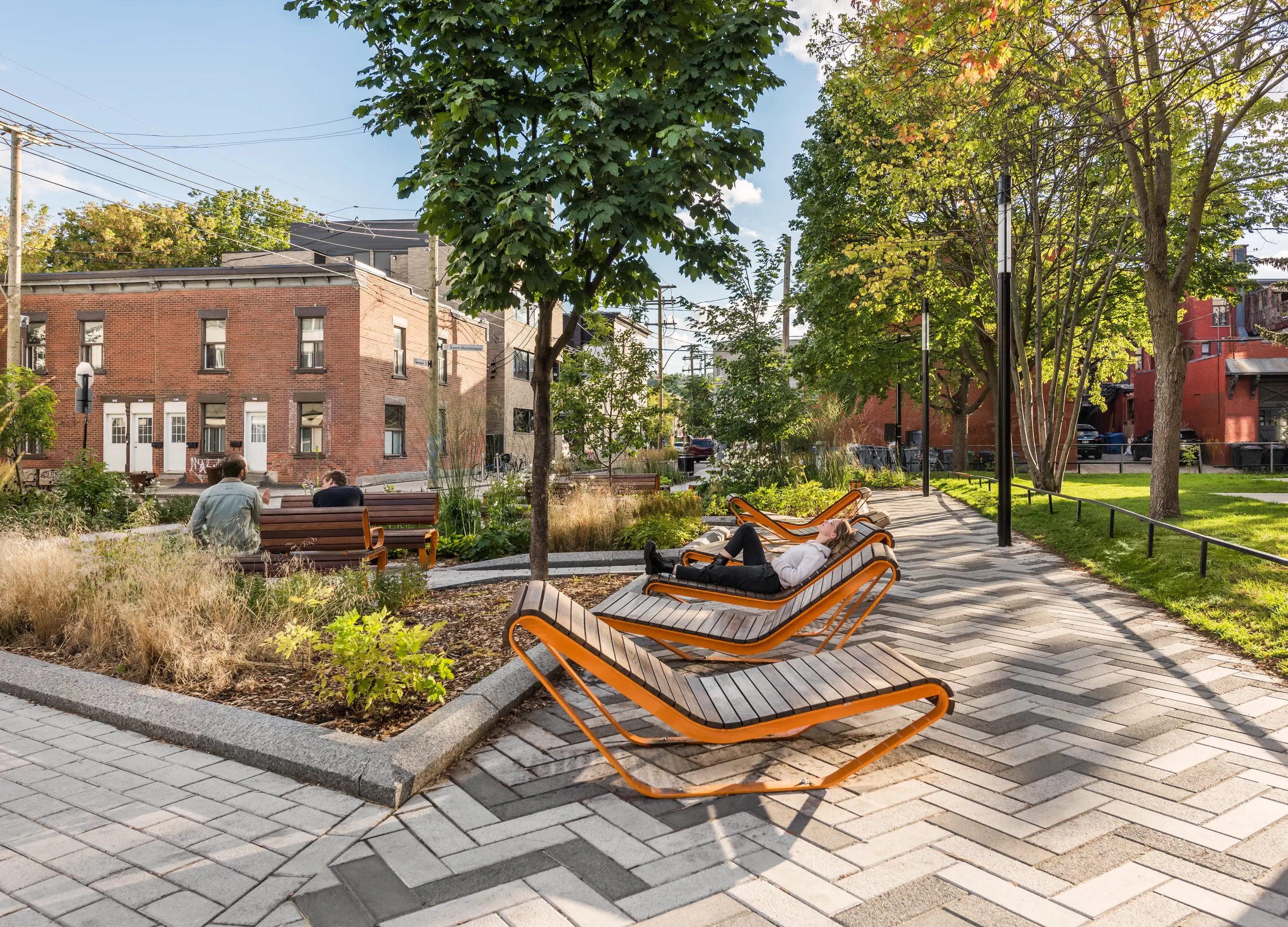
Place Andrée-Lachapelle
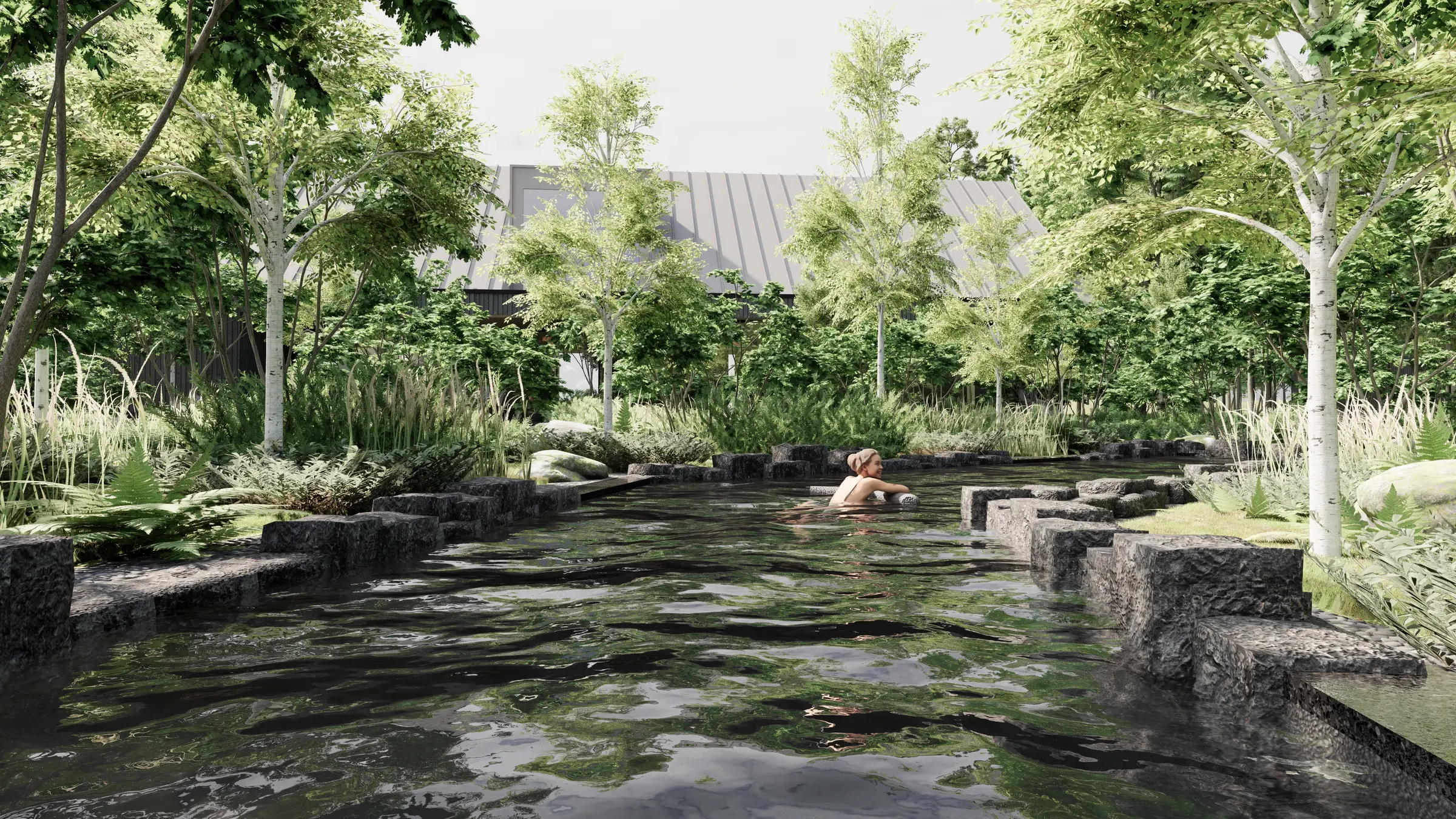
Strøm spa
Spaces are no longer designed to be simply “beautiful,” “conceptual” or “green,” but to be environments capable of influencing our inner state. Ambiance, light, sound, ground texture and plant movement are integral to the project. The landscape architect connects these sensory dimensions to technical infrastructure, turning constraints into experiential qualities.
Curved pathways, unfolding sequences and shifting perspectives encourage a gentler kind of attention. Water, too, has taken on a new role: retention systems become dry riverbeds or rain gardens, contributing to cooling and a sense of connection to place, while also reducing stress and sensory overload.
We are moving from “form follows function” to “form follows experience”: landscape as an infrastructure of well-being.
3. Inhabited sobriety: neo-minimalism and micro-maximalism
Restraint has not disappeared; it has become more precise and more nuanced, shaped by resource pressures and the quest for sustainability, and a response to overstimulation. Neo-minimalism in landscape design is not about austerity, but clarity. Fewer elements, more deliberately placed: legible pathways, defined thresholds, and raw, durable materials on display.
This moderation is offset by micro-maximalism, where the richness is in the detail: textures, layered plantings and sensory niches. The space remains pared back, but its density is revealed up close.
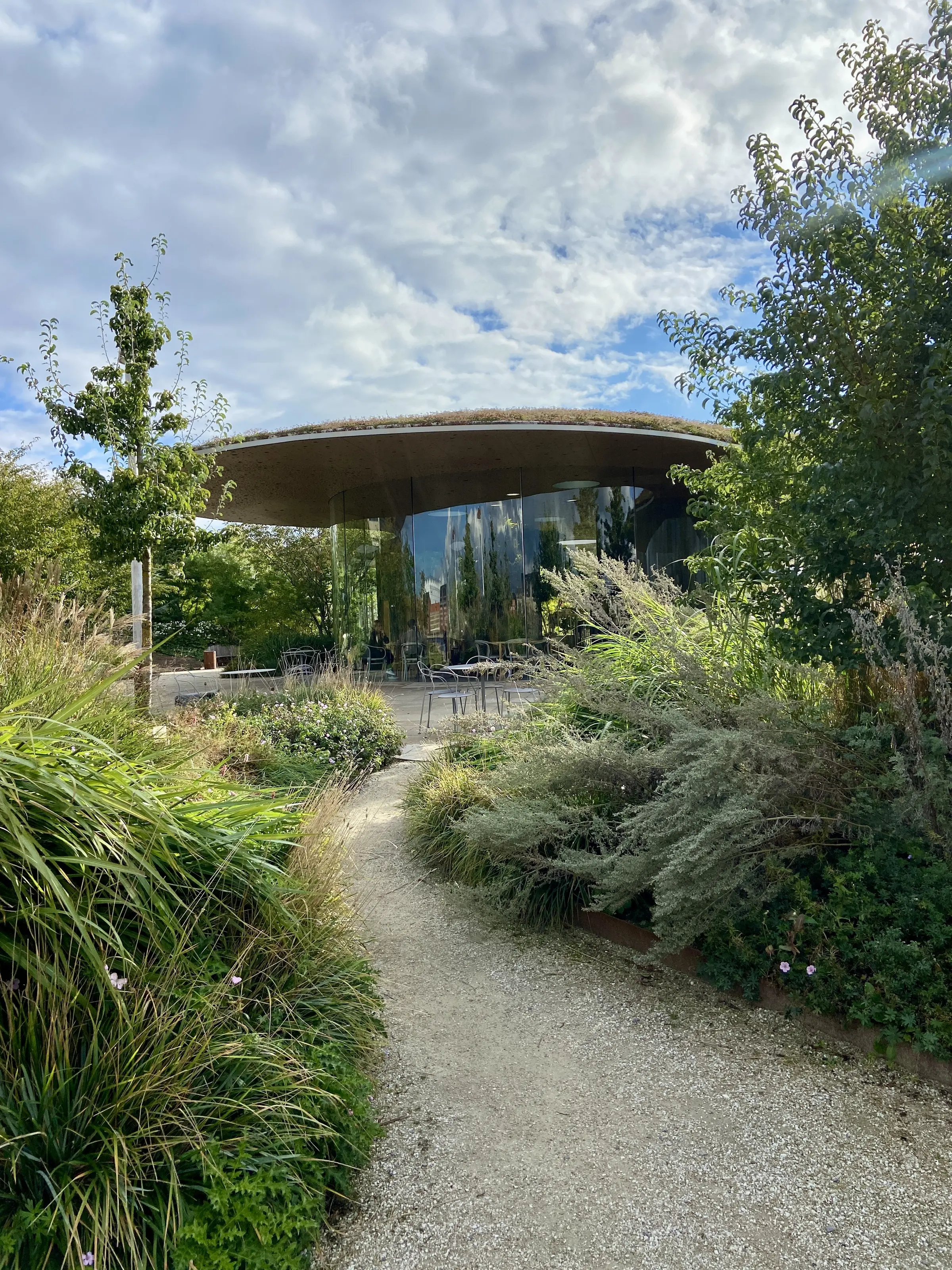
Opera Park
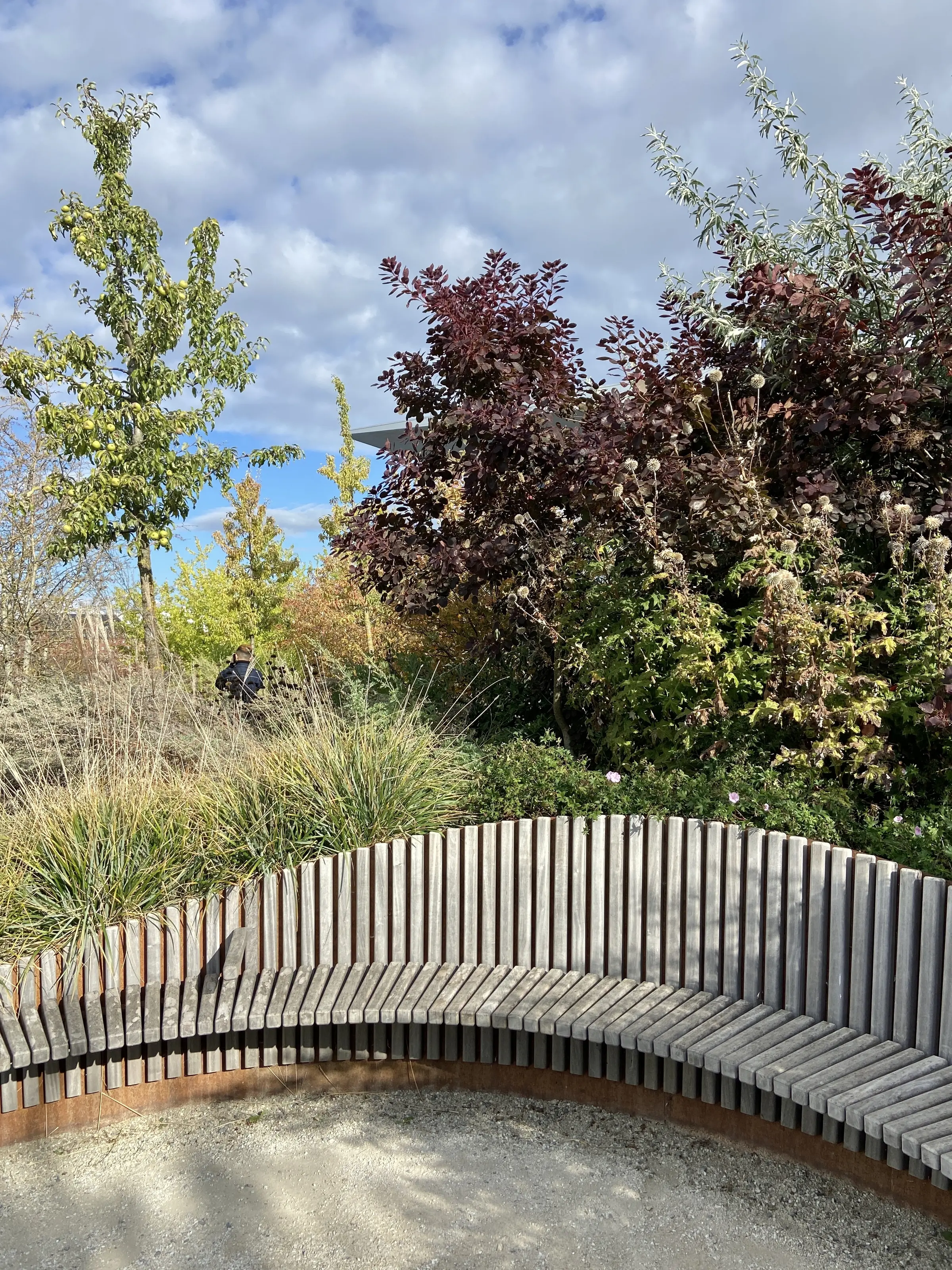
Opera Park
4. The end of the fragile landscape
The real shift lies in the end of the fragile landscape — one that depends on intensive maintenance, constant aesthetic perfection or tightly controlled use.
Sustainability is no longer a distinguishing feature, but a design standard.
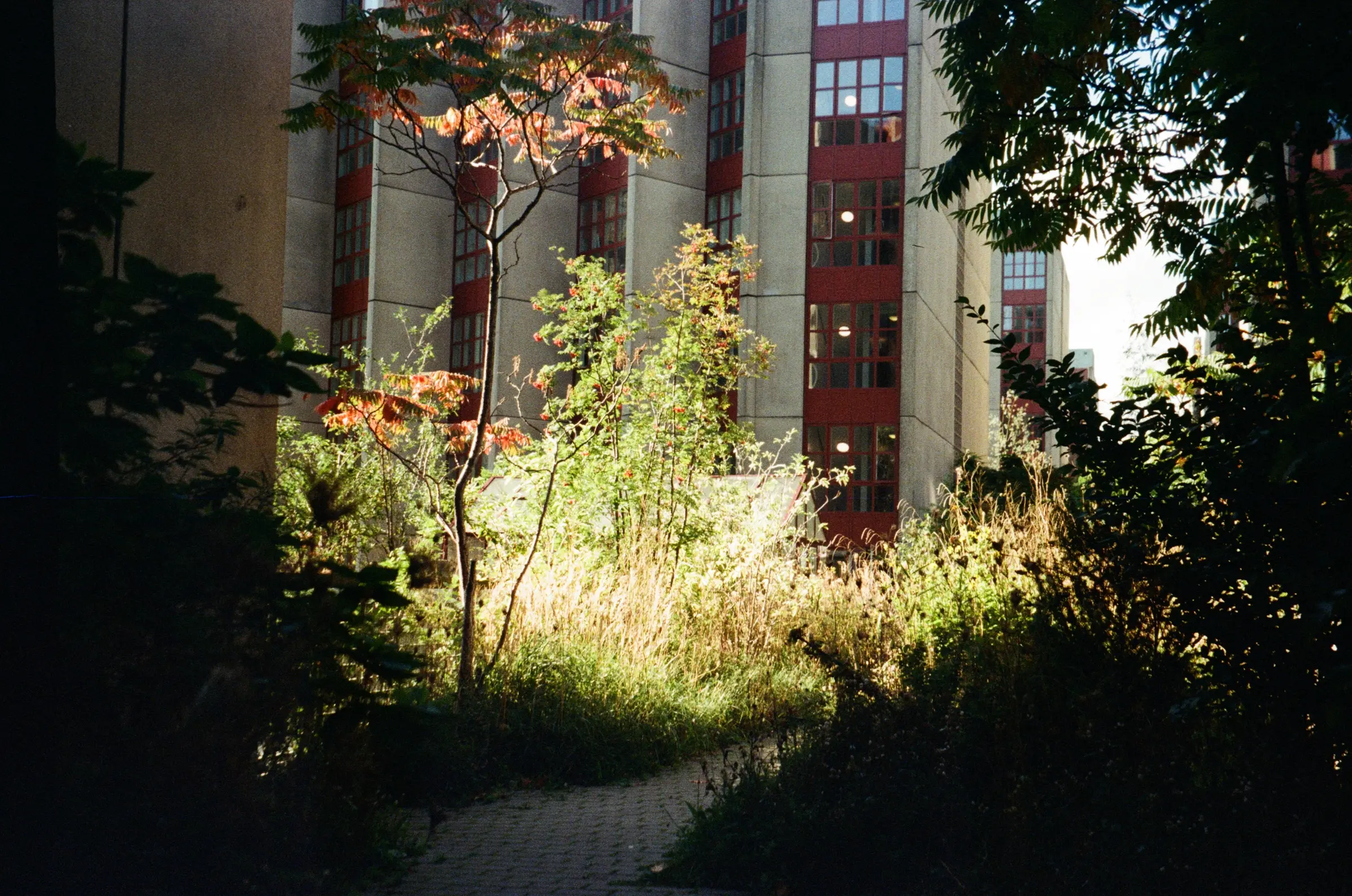
Social Spine, designed by SLA
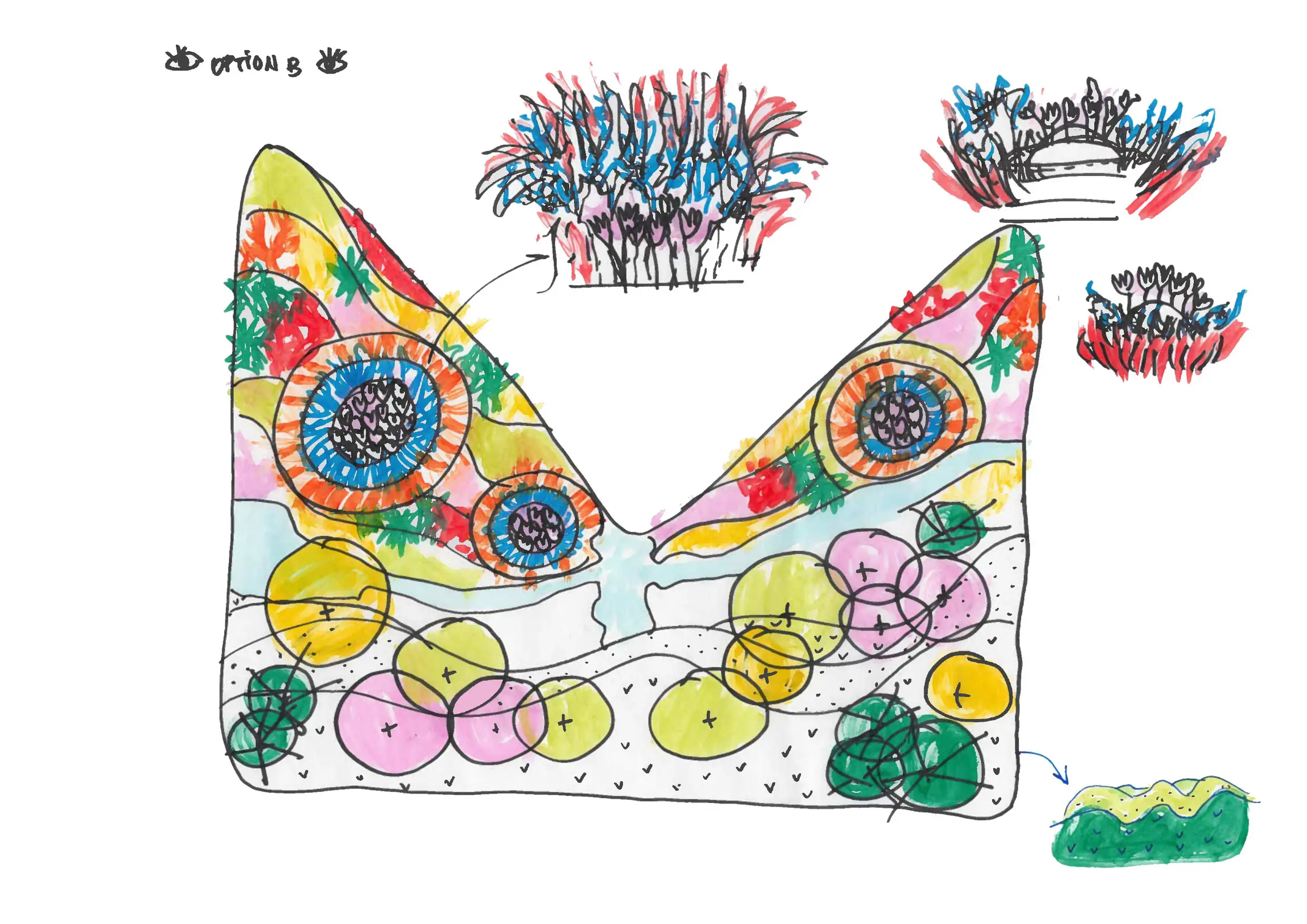
Planting composition sketch
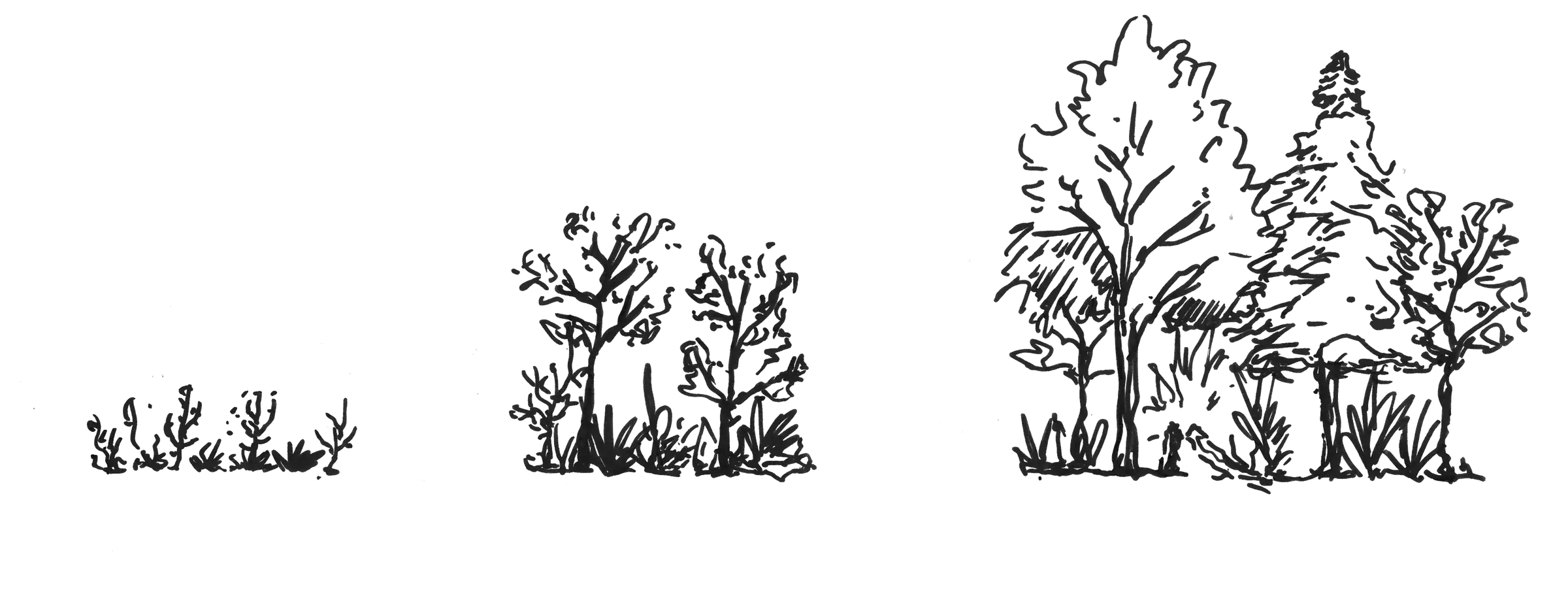
Micro-forest sketch
Contemporary landscapes are conceived as resilient systems, able to evolve, absorb climate variation, accommodate unforeseen uses and endure over time.
They establish themselves, transform and improve over time. This calls for deliberate choices: differentiated maintenance, resilient plant palettes and an acceptance of some imperfection as a sign of vitality.
In urban environments, expectations are evolving as well. Alongside active spaces, there is a growing demand for places that offer breathing space amid the density. People no longer want only to observe landscape; they want to inhabit it and participate in it.
As the discipline matures, landscape is no longer seen as decoration. It is emerging as a living, strategic system designed to endure, and above all, to support the life that unfolds within it.